
The following is a freely translated excerpt from a talk the Rebbe gave to women’s gathering on Iyar 25, 5744 (May 27, 1984):
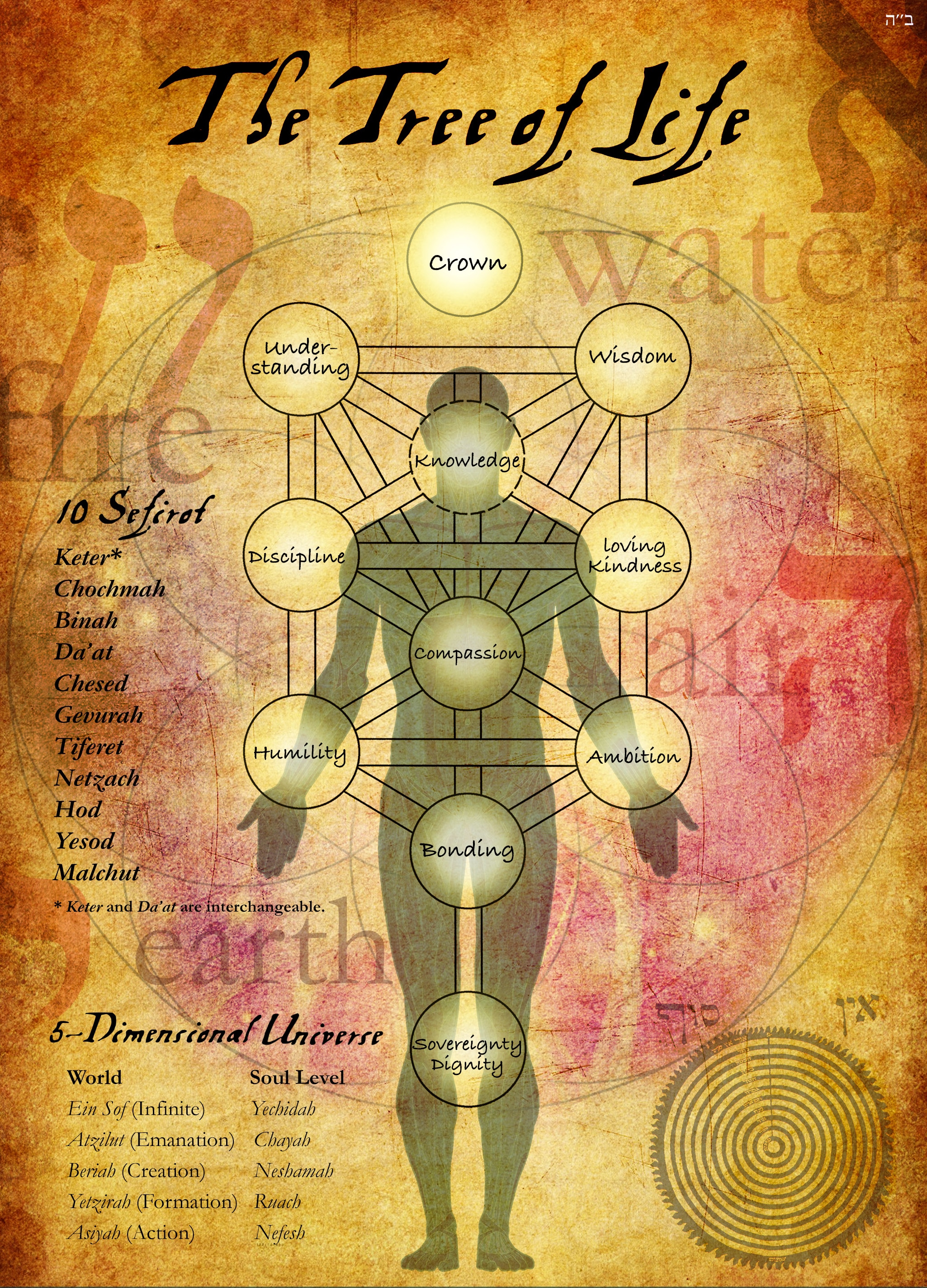
The Torah assigns different roles to men and women. Obviously, this does not imply the superiority or inferiority of either sex, only that, in addition to their common mission in life, each has its unique function and role in creation. This can be compared to the human body, which is comprised of various limbs and organs: on the one hand, there are the needs and features that are common to each of the body’s cells; on the other hand, each organ and limb has its distinct needs and features that derive of its specific role within the greater function of the body.
Thus, there are mitzvot–such as the mitzvah to “Love your fellow as yourself”[1] or “To know that there exists a First Existence, who brings every existence into being”[2] –that apply equally to both sexes, as the blood that circulates throughout the body providing nourishment to each of its diverse organs and limbs. But there are also mitzvot that have been commanded only to men, as well as mitzvot that have been delegated specifically to women, in keeping with their specific divinely-ordained roles.
However, G-d is the ultimate perfection, and He has imbued of His perfection in the Torah and mitzvot—the avenue of our relationship with Him. So although there are mitzvot that have been commanded only to men, this does not preclude women from attaining the full spectrum of perfection that is realized by the fulfillment of all the divine commandments of the Torah.
In the words of the Holy Ari, Rabbi Isaac Luria: “When the male does the mitzvah [that is commanded specifically to men], there is no need for the woman to do it on her own, since she is included in his performance of the mitzvah… this is the deeper significance of what our sages have said,[3] ‘A person’s wife is as his own body.’”[4] As the Zohar states, man alone, or woman alone, is but “half a body.”[5]
In other words, the Torah’s exemption of the woman from certain mitzvot pertains only to her obligation to perform them. As for the attainment of the specific aspects of our relationship with G-d that is realized through these mitzvot, the woman is equal to the man, attaining them through her husband’s performance of the mitzvah.
Furthermore, also an unmarried woman enjoys the rewards generated by the “male” mitzvot, through their performance by the one who is destined to be her husband.
As the Zohar explains, man and woman, comprising the two halves of a single body, likewise share a single soul.[6] It is only that G-d desired that for a certain portion of its life on earth, the soul should be divided in two–half of it in a male body and its other half in a female body–and that each half should perform its mission in life separately, until such time that G-d unites them in marriage.
This explains the tremendous joy that accompanies a marriage, a joy that has no parallel in any other joyful occasion. For when two half-souls, separated at birth and raised in different homes, different communities, perhaps even different countries, are reunited by the power of He who “sits and matches couples,”[7]—what greater joy can there be?!
Thus, when a young man observes a mitzvah that has been commanded solely to men, the young woman in whom the other half of his soul resides shares in the fulfillment and perfection that this mitzvah achieves, although neither might be aware of the other’s existence at the time.
Adapted from the teachings of the Rebbe by Yanki Tauber
______________________
[1] Leviticus 19:18
[2] Mishneh Torah, Laws of the Fundamentals of Torah, 1:1.
[3] Talmud, Menachot 93a.
[4] The Ari’s Likkutei Torah, Bereishit 15a
[5] Zohar, part III, 7b, 109b and 296a
[6] Zohar, part I, 91b.
[7] Midrash Rabbah, Bereishit 68:4: “A matron asked Rabbi Yossei bar Chalafta: ‘In how many days did G-d created His world?’ replied Rabbi Yossei: ‘In six days.’ Asked she: ‘And what has He been doing since then?’ Replied Rabbi Yossei: ‘He sits and matches couples.’ ”