Cart
Login
LIFE SKILLS
Personal
Love & Marriage
Home & Family
Your Mission, Your Purpose
Soul Gym
View All
Social
Operation Iron Swords
2020-2021: Unprecedented Times
Racism
Sexuality
Science & Technology
View All
Spiritual
Kabbalah
Nature
Religion
Soul & Mystical
View All
Torah
Months & Holidays
Weekly Parsha
MyLife: Chassidus Applied
Ethics of Our Fathers
View All
PROGRAMS
Courses
Embracing Neurodiversity: Understanding and Nurturing Each of Our Special Souls
The Kabbalah of the 4 Elements: Fire, Air, Water, Earth
Midlife Miracle
Discover Your Spiritual DNA
Kabbalah of the Zodiac Course
View All
MLC-TV
8 Lights of the Soul: Healing the Heart and Illuminating the Mind
Meaningful Life Center Live
Soul Vitamins: 3-Minute Videos
Weekly Masterclass
MeaningfulLIVE
View All
Free Resources
Birthday Guide
How to Pray
Kabbalah Art Poster
What is Love?
Soul Gym
View All
Calendar
Dating and Hookup Culture: Finding Sanctity and "I-Thou" Connections in Today's Society
June 14 @ 3:00 pm
MyLife Chassidus Applied
June 14 @ 8:00 pm
The Value of a Stable Home
June 15 @ 12:00 am
Educator's Corner
Log In
Sign Up
Learn More
ABOUT US
ABOUT US
Our Mission
Simon Jacobson
Our Team
Our Ambassadors
Contact Us
SHOP
Books
Spiritual Guide to Counting the Omer
60 DAYS: A Spiritual Guide to the High Holidays
La Cuenta del Ómer: 49 días de Sefira
Toward a Meaningful Life
View All
MLC Boutique
60 DAYS + Shofar Horn: High Holiday Package
Tree of Life Kabbalah Art Poster – Limited Edition
Designer Stationery Gift Set (12 Cards)
New Year’s Bundle: 60 Days + Inside Time
Genuine Shofar Horn
View All
Courses
Embracing Neurodiversity: Understanding and Nurturing Each of Our Special Souls
The Kabbalah of the 4 Elements: Fire, Air, Water, Earth
Midlife Miracle
Discover Your Spiritual DNA
Kabbalah of the Zodiac Course
View All
Sermons & Resources
Holiday Sermons
Weekly Parsha Sermon
Baal Shem Tov Insights
Holiday Guides
View All
Subscriptions
Life Coaching with Rabbi Jacobson
Sermon Library All-Access
MLC Premium Membership
Baal Shem Tov Insights, Applied to Contemporary Life – 55 Issues
View All
SUBSCRIBE
DONATE
Youtube
Instagram
Facebook
Join the global war of goodness. Partner with us on the spiritual frontlines.
Donate Now
Dec
01
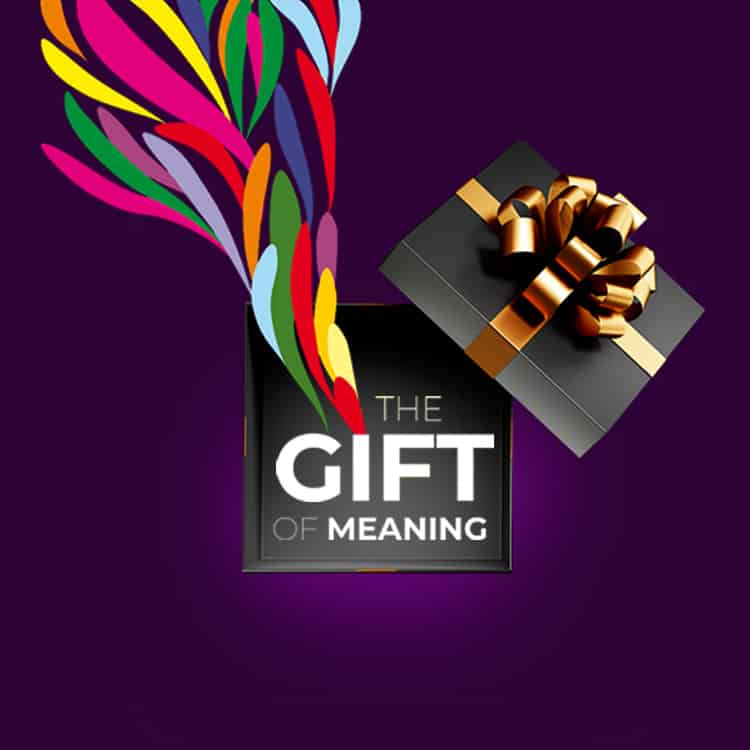
Gift of Meaning End of Year Fundraiser
Time:
12:00AM-11:59PM
This event has passed.
Add to calendar
Google Calendar
iCalendar
Outlook 365
Outlook Live
SHARE THIS POST
FACEBOOK
TWITTER
LINKEDIN
PRINT
Recent
Upcoming
Thursday, June 11
42 Journeys; Part 2
Op-Ed
Wednesday, June 10
42 Journeys, Part 2: The Forces That Try to Break You Before You Become You
Weekly Masterclass
Tuesday, June 09
Between a Rock and a Hard Place
Soul Workout
Monday, June 08 @ 12:00AM
What Happens When You Are Overwhelmed?
Soul Vitamin
Sunday, June 07 @ 8:00PM
Chof Ches Sivan – 85 Years: What Is the Historic, Spiritual and Cosmic Significance of the Rebbe Coming to America?
MyLife: Chassidus Applied
Sunday, June 07 @ 3:00PM
The “New” Antisemitism: Standing Tall in a Challenging World
#MeaningfulLIVE
Load More
Sunday, June 14 @ 3:00PM
Dating and Hookup Culture: Finding Sanctity and “I-Thou” Connections in Today’s Society
#MeaningfulLIVE
Sunday, June 14 @ 8:00PM
MyLife Chassidus Applied
MyLife: Chassidus Applied
Monday, June 15 @ 12:00AM
The Value of a Stable Home
Soul Vitamin
Tuesday, June 16
The Importance of Home and Family
Soul Workout
Wednesday, June 17
42 Journeys, Part 3: Will You Build a Home—or Just Live in One?
Weekly Masterclass
Thursday, June 18
Weekly Op-Ed
Op-Ed
Load More
View all programs
search
LIFE SKILLS
PROGRAMS
About Us
Our Mission
Simon Jacobson
Our Team
Our Ambassadors
Contact Us
SHOP
SUBSCRIBE
Donate